Opinion · Community · SA
What You Might Not Know
About the North Adelaide Golf Course
A misinformation campaign has spread claims about "stolen" parklands, elitist fencing and mass tree destruction. Ace Strategies Strategic Counsel and NAGC President Kevin Naughton sets the record straight on the history, botany, ecology and future of golf at North Adelaide.
 May 2026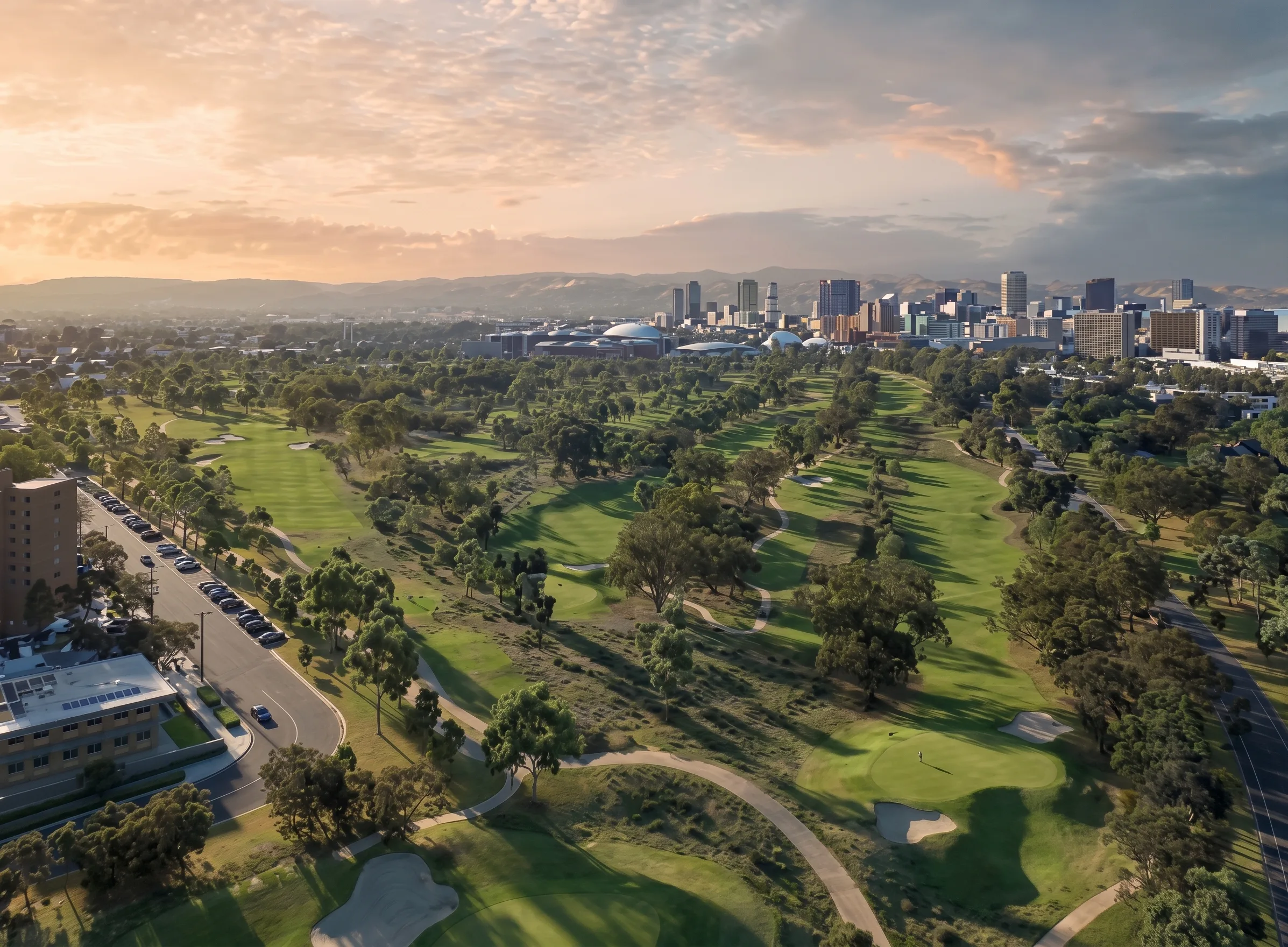
If you thought your park lands were being "stolen" and "thousands of giant trees cut down" to "make a golf course" and "permanently fenced off" for "elites and millionaires" then no wonder you're upset about the redevelopment of North Adelaide Golf Course. But is it for elites, is it new, is it on precious wildlife habitats, and are these trees central to local ecology?
History
Golf at North Adelaide dates from 1890 when tree-less cow paddocks at Montefiore Park became home to the North Adelaide Golf Club, which later incorporated as NAGC in 1904 as a foundation member of the South Australian Golf Association.
Around the same time the Adelaide Golf Club had a course on the LeFevre Terrace park lands and later moved to a permanent home at Seaton, now known as Royal Adelaide Golf Club. North Adelaide had a lease on the Montefiore Park course with a clubhouse and sheds. In 1921, after being offered an additional lease, it partnered with Adelaide City Council to make the course a public "municipal golf links".
Botany
Urban-based golf courses require trees, bushes and grasses, hence the 9,000 trees now onsite. From the 1960s onwards the tree planting program was stepped up and many different species from around the world were planted or grew from naturally dispersed seeds.
If you want to know what the area would look like without golf, head around the corner to LeFevre Terrace and see the barren paddocks that are home for half a dozen grazing horses. Almost nothing has been done since the Adelaide group left.
At North Adelaide, whilst it's home to more than 9,000 trees and bushes, several tree varieties were erroneously planted and are now classified as "invasive" and "super-thirsty". These trees have been marked for removal for some time and form part of the current removal and replacement program. One variety, the white poplar, has a notoriously aggressive root system that uses excessive amounts of water and impacts other vegetation. Due to its aggressive suckering, it is widely classified as an environmental weed or invasive pest in NSW, the ACT, Victoria, South Australia, and WA.
Ecology
The areas on and around the golf course were transformed from around 1960. According to parks historians, trees were dense on the banks of the River Torrens from the Weir and around the area now home to the Par 3. Often referred to as "possum park" this area is outside the current redevelopment zone. The tree planting post-1960 on the course has created its own ecology, which exists side-by-side with golfing activity.
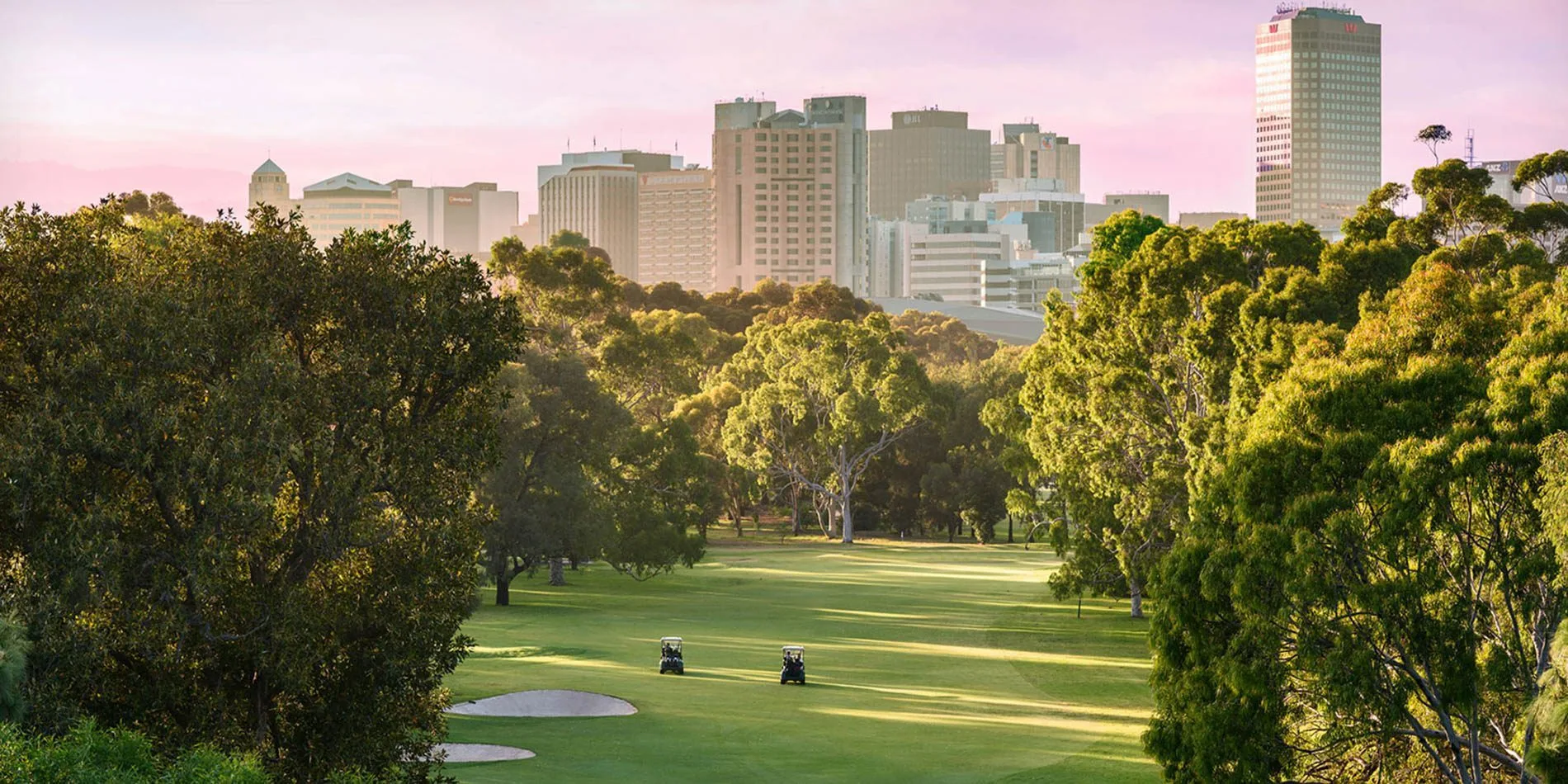
For the first time in its more than 136 years as a golf course, it will have an ecological and botanical plan aimed at exhibiting a world-class showcase of fauna and flora within a recreational precinct.
"For the first time in 136 years, the course will have an ecological and botanical plan aimed at exhibiting a world-class showcase of fauna and flora."
Ownership
Ownership of the area has not changed. The Park Lands have been protected by various legislative instruments and trusts since being planned as a green circle around the new town of Adelaide in 1837. Their strongest protection is embodied in the Adelaide Park Lands Act of 2005. It states the Adelaide Park Lands "should be held for the public benefit of the people of South Australia and should be generally available to them for their use and enjoyment".
Under that state legislation, the management of the area sits with the Adelaide Park Lands Authority, a subsidiary of the Adelaide City Council. Where needed, management of a particular area returns to the state government or other bodies, such as the zoo, botanic gardens, university art galleries, hospitals etc. Sport remains a key part of the "use and enjoyment" with the Park Lands home to archery, tennis, hockey, bowls, croquet, football, cricket, athletics, swimming, netball, basketball, rowing etc.
In the case of the golf course, the Adelaide City Council had shown since 1997 that whilst it endorsed several redevelopment plans (many like the current one), it didn't have the financial nor administrative capacity. That management role has now transferred back to the state government, but the land remains as part of the Park Lands and its use remains as a public golf course. It remains "for the use and enjoyment" "of the people of South Australia".
"The land remains as part of the Park Lands. Its use remains as a public golf course — for the use and enjoyment of the people of South Australia."
"Elitists and Millionaires?"
The resident club's registered players come from all around Adelaide, from all walks of life and include people learning the game and those with a long-held interest. Unlike the upmarket private clubs, there's no massive joining fee or high annual fee. All South Australians can play there; you won't need to be "introduced".
A mere five per cent of NAGC's players are from North Adelaide 5006. It was the first metro club in the state to have a female president and got rid of separate classifications for women players last century.
The cost to play, as required under the North Adelaide Public Golf Course Act 2025, must be "affordable".
Disruption for Major Events
The course will not be "closed for months" for each international event. It's being purpose-built and configured to be at the standard needed for an Australian Open or LIV event. Current LIV host, Grange Golf Club, has had to reconfigure its two 18-hole courses into one suitable set of 18. It also had to bring in temporary infrastructure and utilities.
Fences
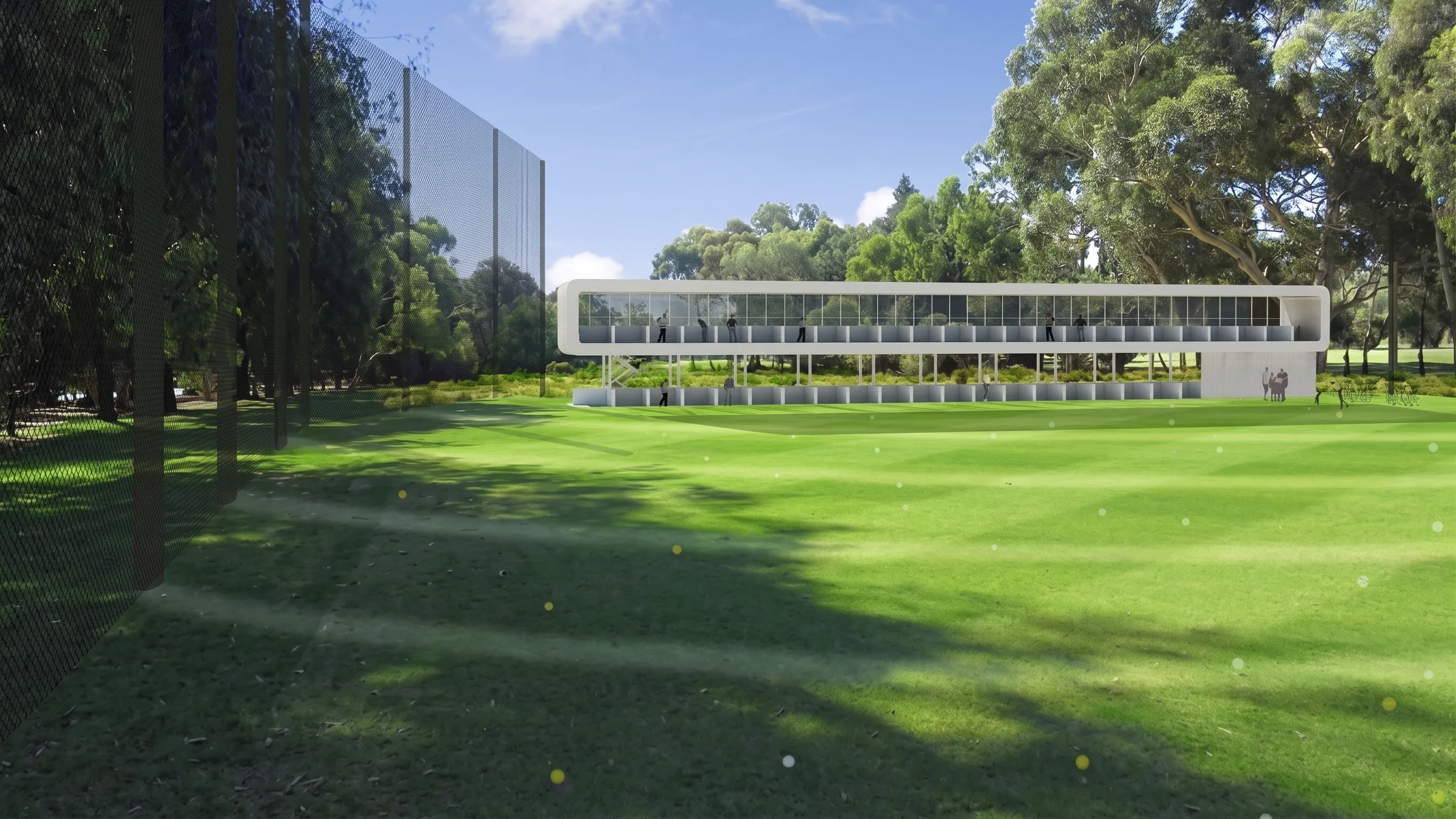
The claim that the new course will have permanent fencing is wrong. Legislation bans it and it's not needed. Unlike the private clubs that seek to keep people out, this course has always operated as an open park land. It's common for international championship courses overseas to be unfenced.
Redevelopment and Removal of Trees
The removal and replacement program ensures the area remains as a beautiful green space. Sometimes, trees have to go. Remember how many thousands of trees were removed to build the 24km of concrete O-Bahn busway along the rich fertile banks of the River Torrens? As you drive through it today, you wouldn't know any had ever gone.
Trees are cut and milled to make house frames, tables, chairs, toilet paper and wrapping on almost everything you buy. Trees are a sustainable, renewable resource. That's why this renovation removes wrongly planted varieties, adds more appropriate types and increases the total number in the precinct.
"It's a nasty campaign that will prove to have been wrong in almost every respect."
The Protest Campaign
Finally, if you think spreading lies (5,400 trees, 7-storey high fences, elitist restrictions etc) is a smart way to increase the profile of a handful of local council election candidates, then consider the impact you're having on staff, contractors, volunteers, players and their families. It's a nasty campaign that will prove to have been wrong in almost every respect.
We respect the right to any opinion, but this campaign features falsehoods, fake social media accounts and images and false information.
Related Analysis

The DemosAU/Ace Strategies poll shows 66 per cent of voters out of favour with the Liberal Party and facing a wipeout in metropolitan SA.
Read Op-Ed arrow_forward
A landmark USSC paper co-authored by Guy Boekenstein examining Australia, Japan and the United States' pathways for deepening defence industrial cooperation.
Read Analysis arrow_forward
Exploring how future workplace design can rebuild community value and connection.
Download arrow_forward